ECOHUB Countries

Making Waves in Aquaculture

Our EcoHubs are the hotspots for innovation. We're merging cutting-edge tech with eco-friendly practices to create waves in sustainable aquaculture!

Ghana EcoHub

Akosombo, Ghana

Lake Volta, West Africa
Climate
Tropical Savanna
Cage Type
5×5×5/4 m
Fingerlings
5,000–8,000

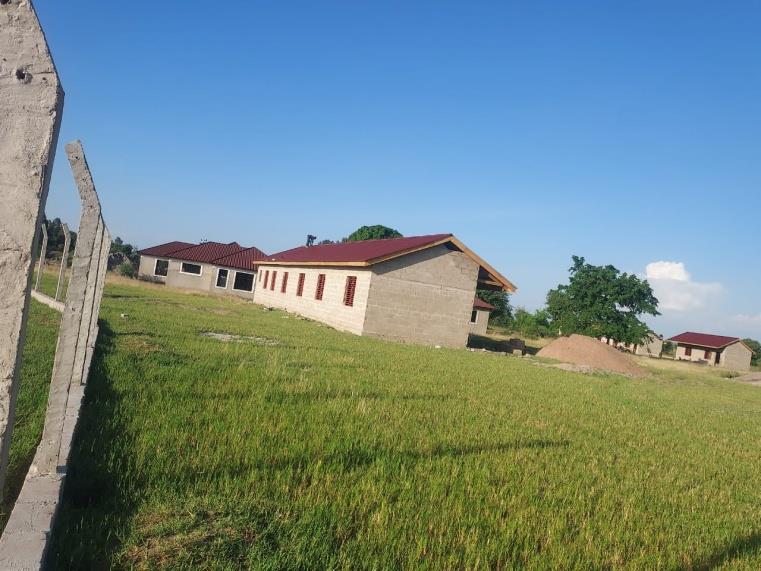
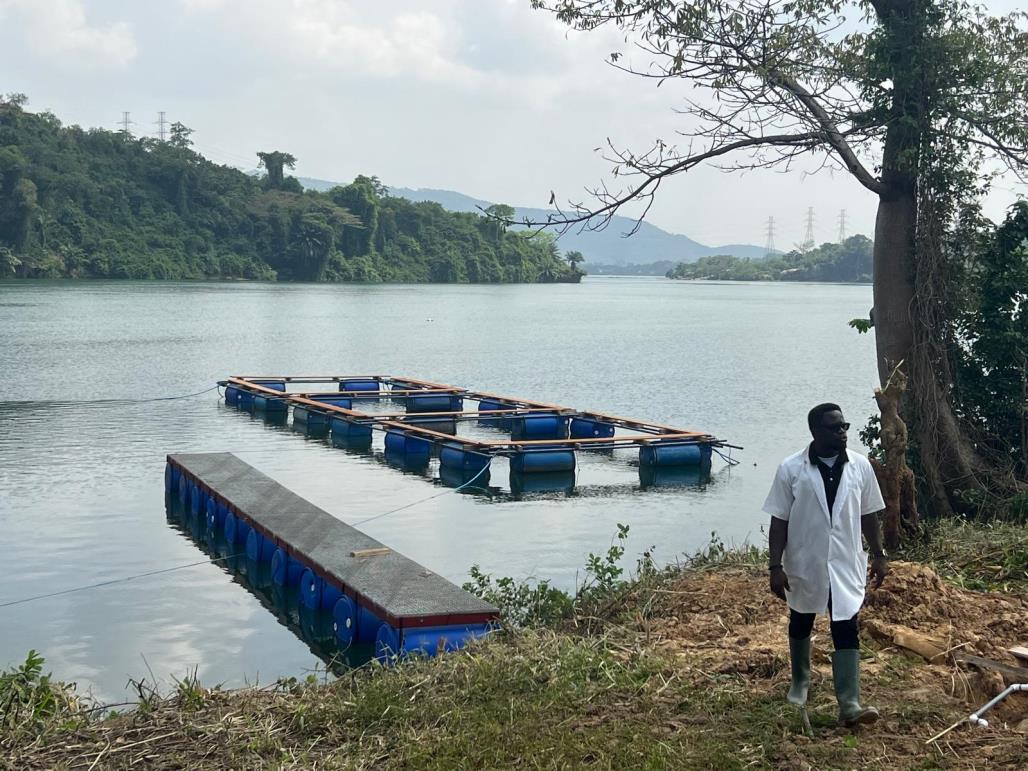
Tropical savanna region with few existing farms and no climate technology. High unemployment challenges make this hub critical for women and youth empowerment. Dominant cages are 5×5×5 or 4 meters with an initial stocking size of over 5 kg. Fish products are the core value chain.
Fish Products Women & Youth High Unemployment Lake Volta Cages Spirulina
Kenya EcoHub

Lunjre, Kenya

East Africa
Temperature
20–30°C
Rainfall
Moderate
Terrain
Flat Lands

Moderate rainfall and flat lands characterize this hub. High unemployment and social challenges are prevalent, with the hub specifically targeting women and youth. The region presents significant opportunities for aquaculture development with AI-monitored catfish and tilapia production.

Women & Youth Catfish Tilapia AI Monitoring Social Impact
Tanzania EcoHub

Magu, Tanzania

Lake Victoria, East Africa
Temperature
18–35°C
Rainfall
Moderate
Water Sources
Springs & Rivers

Springs and rivers provide water resources in this hub located near Lake Victoria. The region supports multiple crops including rice, maize, and cotton. Key challenges include feed quality and growing fish protein demand. The lake ecosystem supports cage farming across Sengerema and Magu districts.

Rice Maize Cotton Fish Protein Cage Farming
Egypt EcoHub

Abbassa, Egypt

Nile Delta, North Africa
Climate
Semi-Desert
Water Source
Fresh Nile Water
Challenge
Water Scarcity

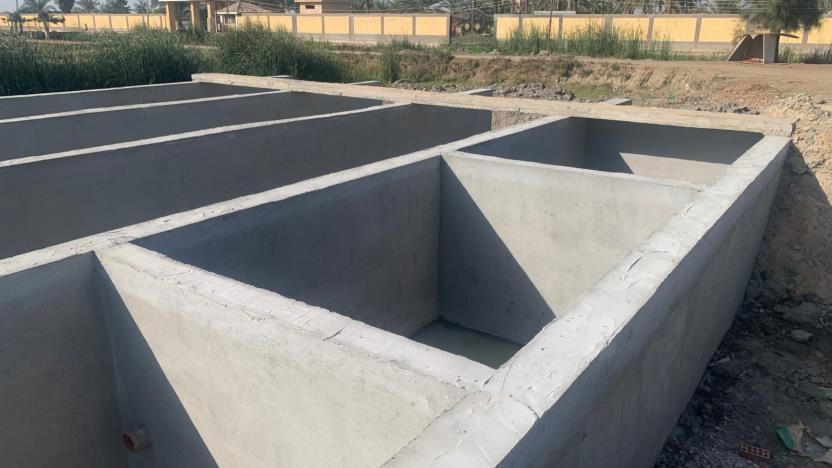
Semi-desert environment with land and water scarcity, mainly dependent on fresh Nile water. There is an increasing demand for aquaculture products in the region. The Central Lab for Aquaculture Research (CLAR) — under Egypt's Ministry of Agriculture — has ten specialized departments supporting this hub.

Nile Water Tilapia Water Conservation CLAR Research Market Growth
Where Nature Meets Innovation

Living Labs

Real-world aquaculture sites where our research comes to life — connecting innovation with community practice.

Kenya — Women's Groups

Rio Fish, Kenya

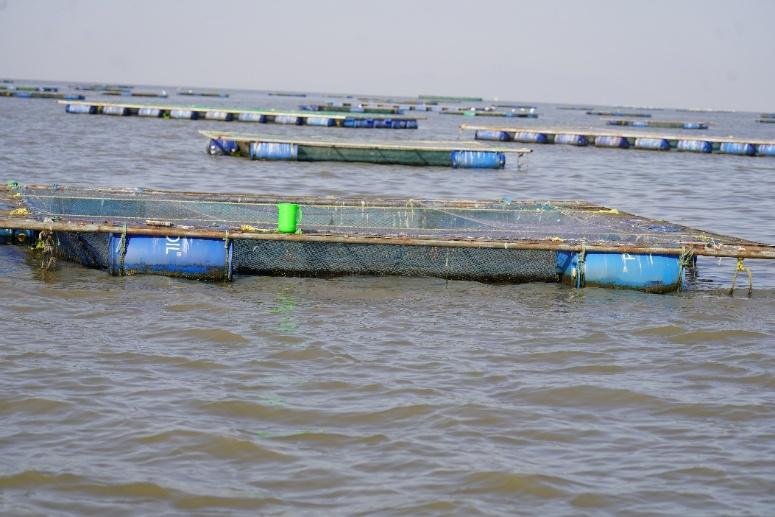
Rio fish assists 4 women's groups consisting of 25 women each, who have 26 fish cages (HDPE cages of 10 m diameter and metallic cages — 5 m³) for fish farming, providing access to fish for 500 women.

Tanzania — 700–1200 mm/yr Rainfall

Lake Victoria, Tanzania (Sengerema)

Rainfall 700–1200 mm/year. Livelihoods: fishing, small-scale cage farming, paddy, cattle, maize. Soil: medium to poor fertility. Challenges: declining fish catches, land scarcity, high population density, excessive livestock.

Uganda — Large Aquaculture Farms

Lake Victoria, Uganda

Temperature 25–28°C, 1,000 mm rainfall, large aquaculture farms. Challenges: malnutrition, unemployment, poor technology, waste, and livelihoods. Beneficiaries: malnourished community members and unemployed youth.

Ghana — Lake Volta Cages

Ghana, Lake Volta

Dominant cages are 5×5×5 or 4 meter configurations, stocking 5,000–8,000 fingerlings with an initial stocking size exceeding 5 kg. Part of the Akosombo ECOHUB ecosystem.

Namibia — IPRS System

Katima Mulilo, Namibia (I-Shams Farm)

Temperature 20–40°C, rainfall 500–600 mm. Main livelihoods: fisheries and subsistence agriculture. Challenges: low water levels during drought, lack of aquaculture expertise, high unemployment. Target: unemployed youth and women. Uses In-pond Raceway System (IPRS).

ECOHUB Details

Keeping Track

Explore the detailed activities and innovations at each ECOHUB location.

The Akosombo ECOHUB is led by CSIR-FRI (Council for Scientific and Industrial Research — Food Research Institute, Ghana). CSIR-FRI was established in 1963 and is mandated to conduct applied market-oriented research into resolving challenges of food processing and preservation, food safety, food storage, marketing, distribution and utilization.

CSIR-FRI leads WP7 focusing on validating quality, acceptance, and certification of fish, spirulina, and insect products. WP7 aims to assess the nutritional, functional, microbiological, and chemical safety of these products, evaluate sensory attributes, and conduct consumer acceptance studies in rural communities. It also evaluates environmental impacts through LCA and designs a certification program to promote sustainable and resilient food production systems.

Role in project: Develop value added food products from spirulina and fish using extrusion technology and optimize aquaculture fish production using AI and IoT technologies.

Jomo Kenyatta University of Agriculture and Technology (JKUAT) is a public university in Juja, Kenya, specializing in training, research, consultancy, innovation, and entrepreneurship with a focus on agriculture and technology. JKUAT has been involved in developing the Kenya EcoHub infrastructure.

FSPN Africa coordinates WP8 on communication, exploitation and dissemination of knowledge outputs and best practices. Their activities include conducting baseline and endline surveys, developing data/knowledge management infrastructure, designing and coordinating training, and developing business models for the ECOHUBs.

icipe (International Centre of Insect Physiology and Ecology) contributes insect production expertise, particularly for sustainable crickets, black soldier flies (BSF), and wild locust harvesting and processing technologies.

University of Dar es Salaam (UDSM) implements the INNOECOFOOD project across all 7 core objectives in Tanzania, including: scoping of aquaculture practices in local lakes and rivers (living labs) and establishing sustainable ECOHUBs; optimization of fish, spirulina, and insect production with AI and IoT; upcycling fish-waste nutrients; making new products from fish, spirulina, and insects using solar-powered drying and extrusion.

The Tanzania hub targets training 120 youth and 120 women in production, food quality and safety, business, and marketing — with extended training to over 5,000 community members and farmers through digital technology.

The Central Lab for Aquaculture Research (CLAR) is under Egypt's Ministry of Agriculture. Its vision is to aid rural and desert communities by transferring aquaculture technology and sharing research. CLAR has ten departments: Hatchery & Fish Physiology, Fish Production & Systems, Fish Nutrition & Feed, Fish Ecology & Biology, Fish Breeding & Genetics, Limnology, Fish Processing & Quality, Fish Health & Zoonosis, Fish Extension, and Fish Economics.

CLAR's mission is to promote sustainable aquaculture and fisheries development in Egypt through research and training, addressing the unique challenges of semi-desert aquaculture including water scarcity and land limitations. The Egypt EcoHub focuses on tilapia production optimized for Nile water systems.

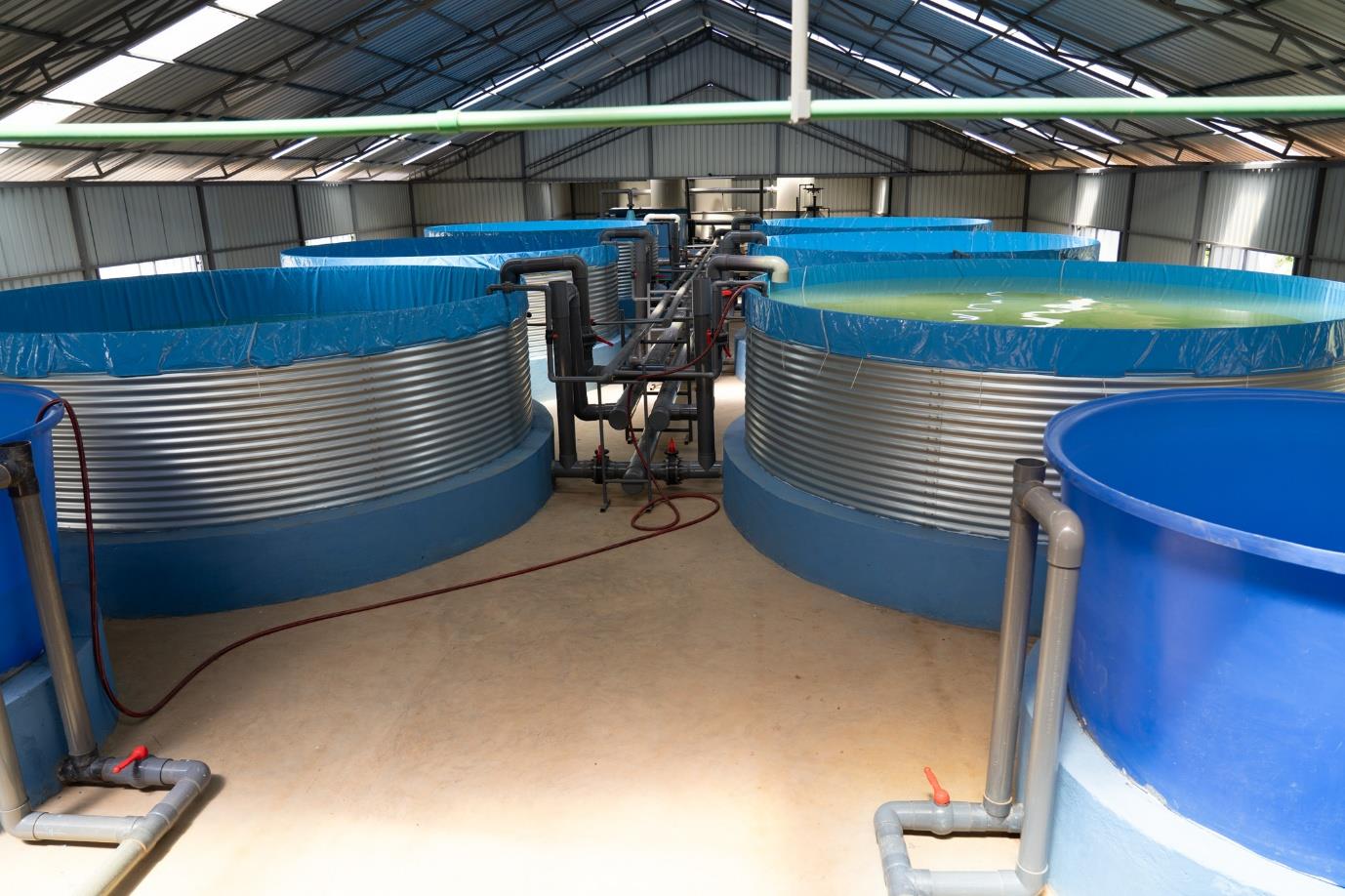
The University of Namibia (UNAM) builds an EcoHub for producing fish using the In-pond Raceway System (IPRS) — the most recent aquaculture system — and spirulina from spirulina production ponds. The hub includes processing for both spirulina and fish products.

UNAM uses spirulina, insect-based protein, and fish by-products to create various fish feed substitutes for fish meal. Beneficiaries are trained on each component: IPRS fish production, spirulina farming, insect-based feed production, and processing.