Technology & Innovation
Using AI sensors, IoT monitoring, renewable energy, and circular systems to optimize every step of sustainable aquaculture production.
Powering the Future of Food
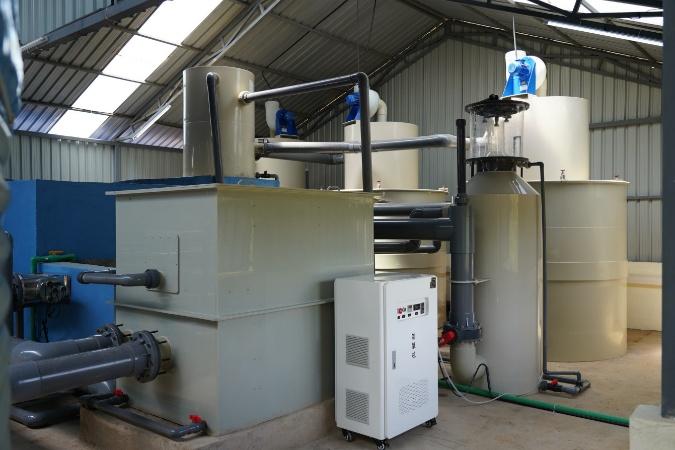
INNOECOFOOD deploys a cutting-edge technology stack — combining artificial intelligence, Internet of Things sensors, renewable energy systems, and circular production principles — to optimize every aspect of aquaculture production across six African countries.
Our technology deployment targets Technology Readiness Level 7 (TRL7), meaning all systems are demonstrated in an operational environment, ready for real-world scale-up.
Six Technology Pillars
Each pillar directly supports the production, processing, and commercialization of sustainable aquaculture value chains.
Artificial Intelligence
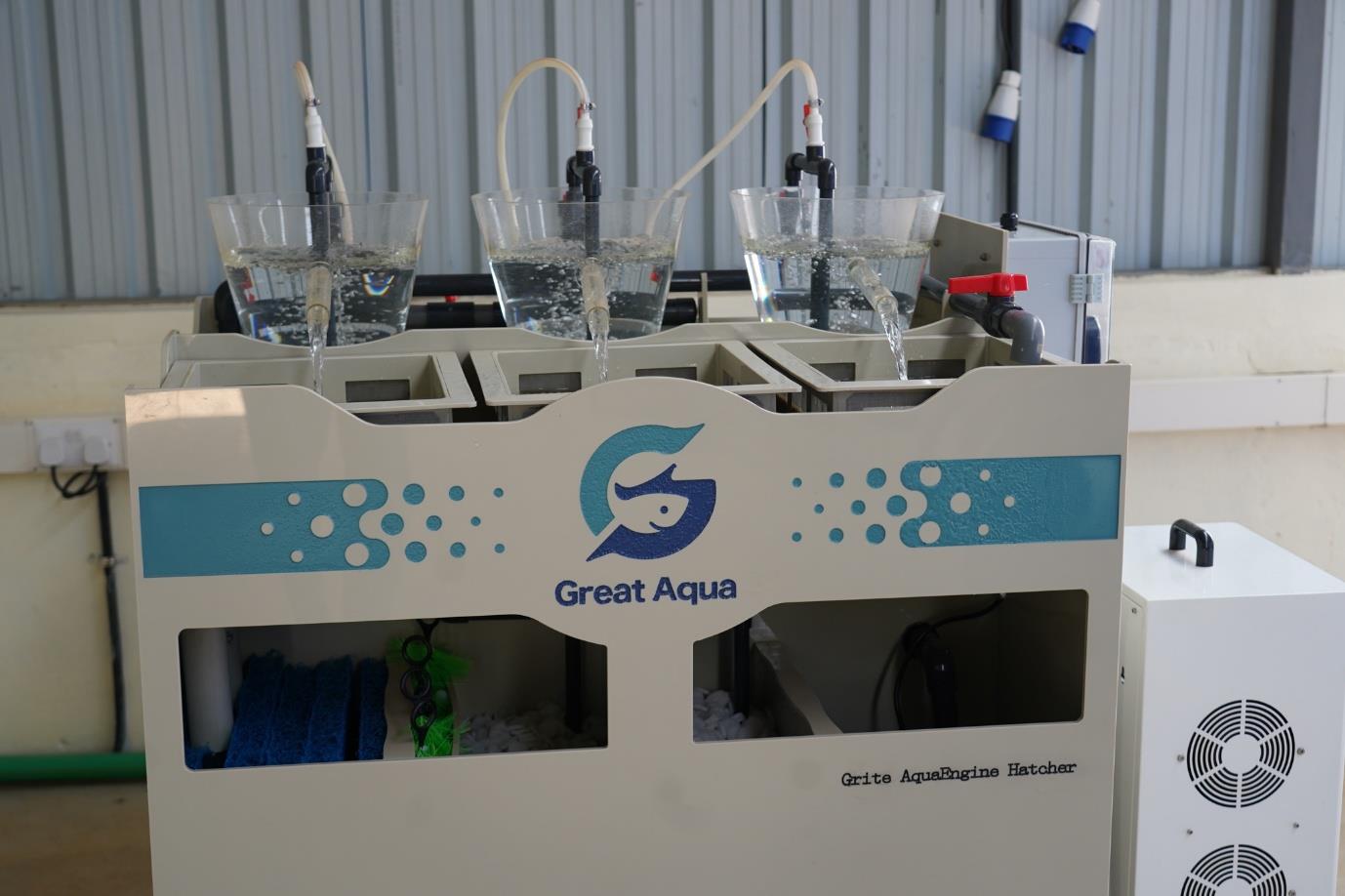
AI algorithms monitor and optimize production parameters in real time — from water quality and feeding schedules to growth predictions and disease detection in fish, spirulina, and insect production.
IoT Sensor Networks
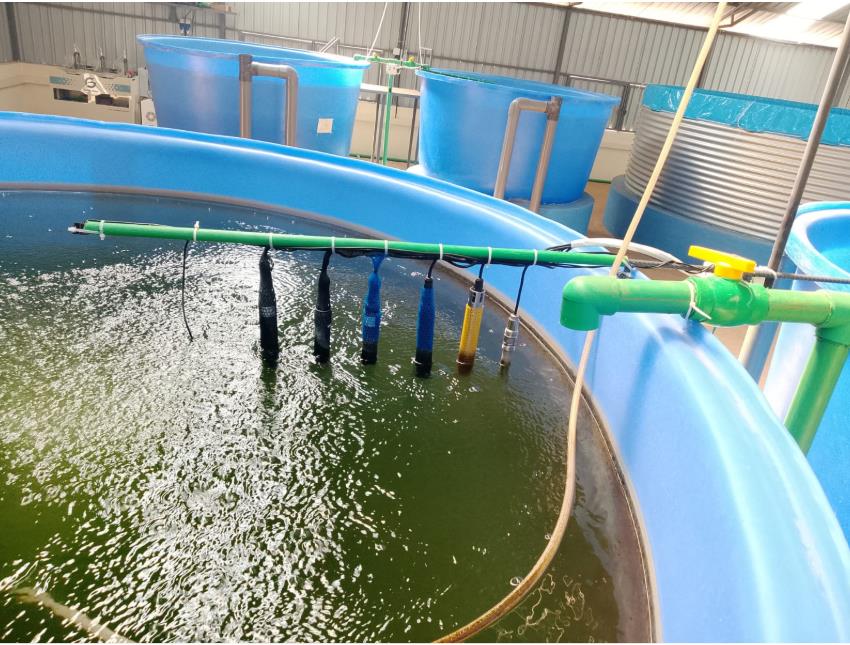
Networked sensors throughout ECOHUBs and living labs continuously monitor water temperature, pH, dissolved oxygen, salinity, and feed consumption — generating real-time data for AI analysis.
Renewable Energy
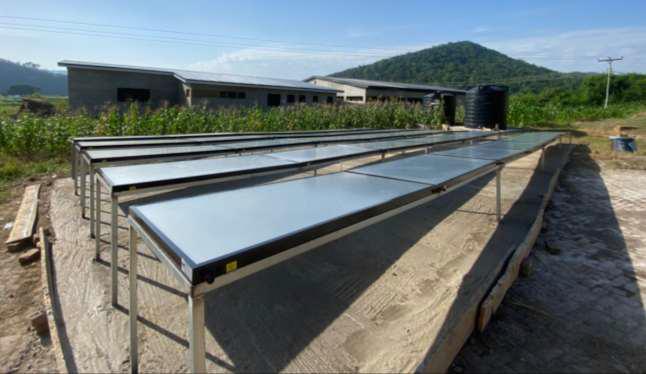
All ECOHUB operations are powered by solar and wind energy systems. Sparky solar-powered multi-purpose driers, solar tunnel driers, and portable SPARKY driers enable off-grid processing across all sites.
Circular Systems
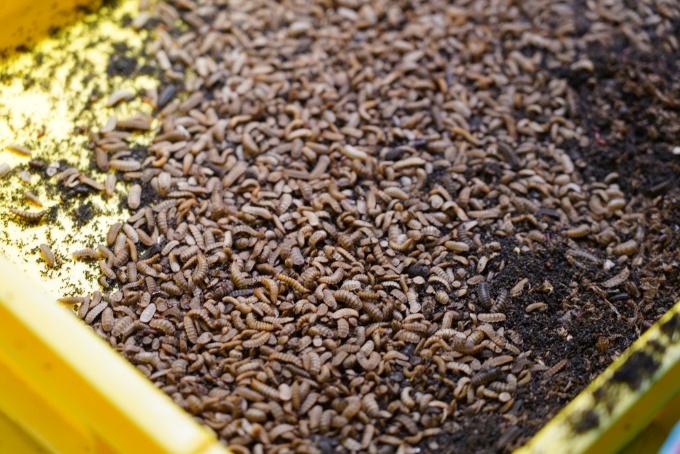
Fish waste and by-products are upcycled into novel food products and animal feeds. Reduced water consumption and closed-loop nutrient cycling make ECOHUB production truly circular and sustainable.
Advanced Processing
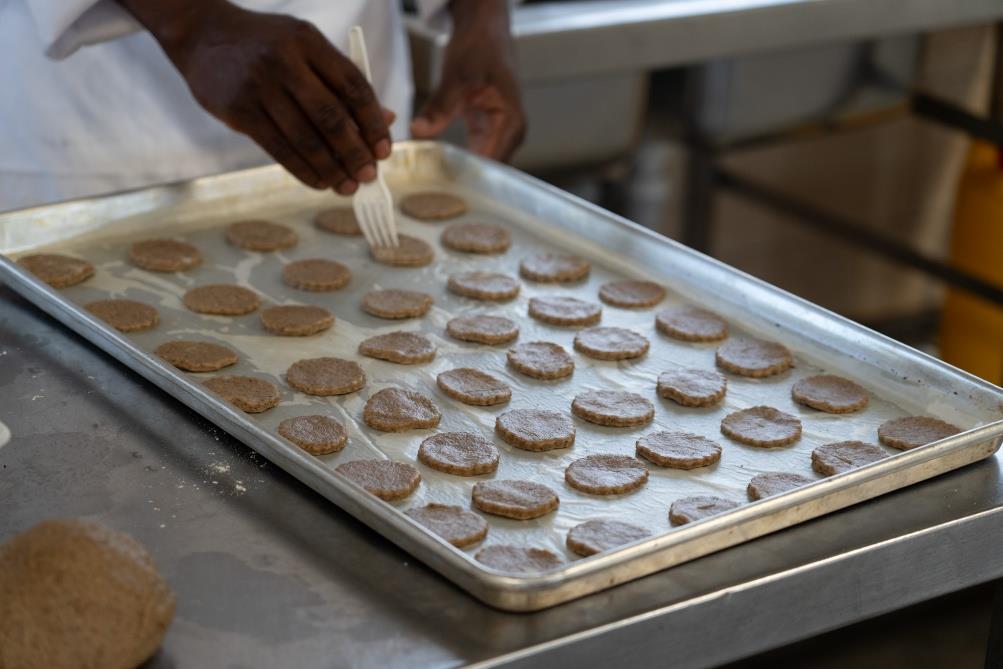
Extrusion technology, solar-powered drying, and innovative chilling processes convert raw aquaculture outputs into certified, shelf-stable, market-ready human food products and animal feeds.
Molecular Characterization
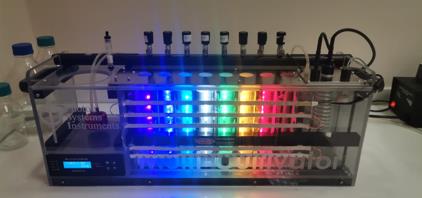
Spirulina species from lake locations are characterized using molecular biology techniques to identify variants with high protein content, anti-pollution properties, and high phycocyanin concentration.
Smart Monitoring
in Every ECOHUB
From the moment fingerlings enter the cage to the final certification of products, AI and IoT technology sits at the heart of INNOECOFOOD's operations — ensuring efficiency, sustainability, and quality.
Fish Production Monitoring
Tilapia and catfish innovative production using AI-optimized feeding, growth tracking, and disease early-warning systems.
Spirulina AI Optimization
Molecular biology-guided strain selection combined with AI-sensor monitoring for biomass yield, protein content, and phycocyanin levels.
Insect Production AI
Crickets, black soldier flies (BSF), and wild locust harvesting — with AI-controlled environmental conditions for maximum sustainable yield.
Post-Harvest Intelligence
AI sensors in extrusion and solar drying equipment maintain optimal processing parameters and automatically adjust for ambient conditions.
Operational Demonstration Ready
TRL7 means our technologies are demonstrated in an operational environment — not just laboratory or prototype stage, but proven in real communities, real EcoHubs, and real-world aquaculture conditions across Africa.