
Impact & Results
Measurable outcomes transforming food security, gender equity, and sustainable aquaculture across six African countries.
Our Impact in Numbers
Every number represents a community empowered and a sustainable future advanced.
Four Dimensions of Change
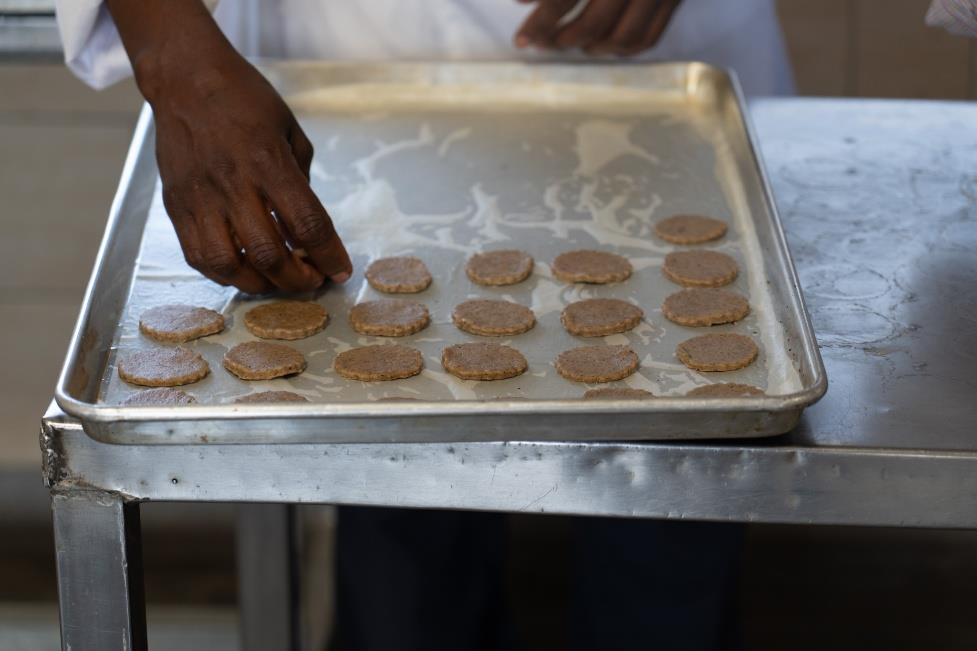
Food Security
INNOECOFOOD directly addresses protein deficiency and food insecurity in six African nations by establishing sustainable aquaculture value chains — producing affordable, nutritious fish, spirulina, and insect-based foods for local consumption and regional trade.
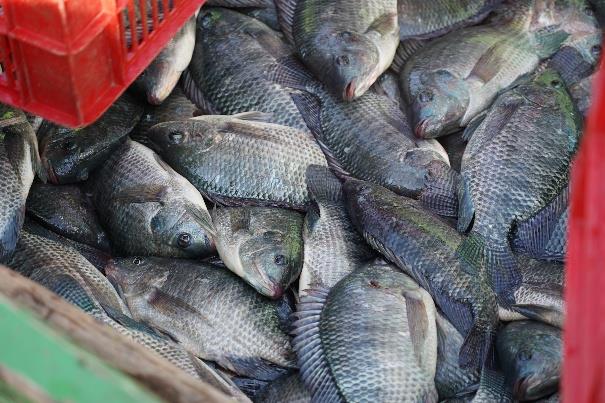
Gender Empowerment
With explicit targets for women in every ECOHUB — from Ghana's fish farming women's groups to Kenya's Lunjre hub — INNOECOFOOD places gender equity at the center of its impact strategy. Women are trained as producers, processors, and business owners.
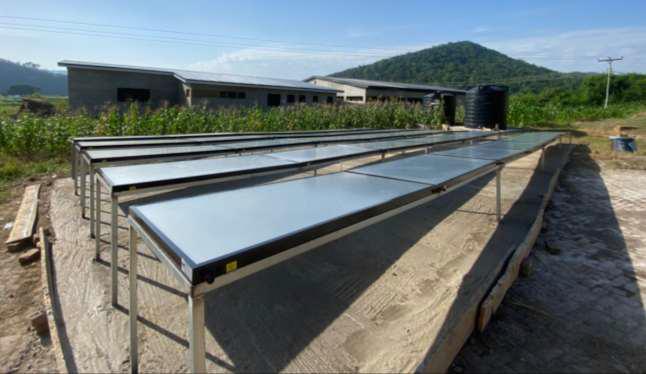
Climate Action
By deploying renewable solar and wind energy, circular nutrient systems, reduced water consumption, and sustainable feed alternatives, INNOECOFOOD dramatically reduces the environmental footprint of aquaculture production in climate-vulnerable regions.
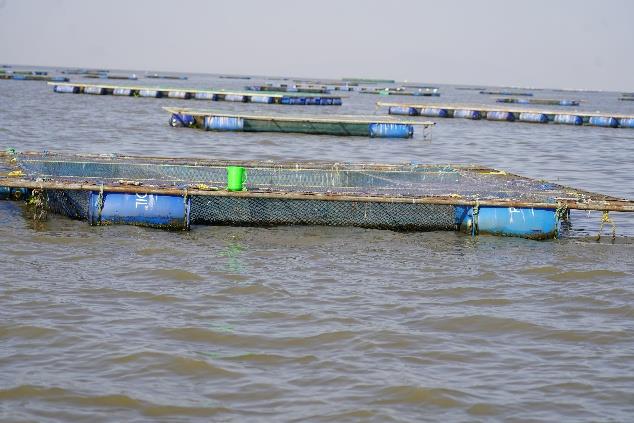
EU–AU Market Development
INNOECOFOOD directly supports EU-AU Green Deal alignment by producing certified, standardized aquaculture products that meet European food safety and sustainability standards, opening new export pathways for African aquaculture producers.
EcoHub Pilots Across Africa
Demonstration hubs and living labs actively piloting sustainable aquaculture solutions across 6 partner nations.

Ghana — Akosombo ECOHUB
On Lake Volta, the Akosombo ECOHUB pilot is establishing sustainable cage aquaculture combined with spirulina cultivation. CSIR-FRI provides food processing, safety validation, and product quality testing.

Kenya — Lunjre EcoHub
The Lunjre EcoHub pilot in Western Kenya integrates IoT monitoring and sustainable feeding regimes, working closely with local women and youth fish farming groups to pioneer high-efficiency catfish and tilapia production.

Tanzania — Magu Facility (TAFIRI)
TAFIRI leads most of INNOECOFOOD objectives in Tanzania at the Magu pilot facility, addressing declining fish catches and high population density around Lake Victoria through smart cage aquaculture and sustainable feed development.

Egypt — Abbassa (CLAR)
The Egypt EcoHub focuses on semi-desert aquaculture, addressing water scarcity in the Nile Delta. The Central Lab for Aquaculture Research (CLAR) leads research into tilapia production and water conservation technologies to boost local food security.

Namibia — Katima Mulilo (UNAM)
Using the cutting-edge In-pond Raceway System (IPRS), UNAM's Namibia hub demonstrates highly efficient, water-conserving fish production in a drought-prone environment. Targets unemployed youth and women, providing technical skills in fish and spirulina production.

Uganda — Lake Victoria (Makerere)
Makerere University leads the Uganda hub, focusing on large-scale aquaculture farms and training for youth and women. The project addresses malnutrition and unemployment by improving fisheries technology and promoting spirulina and insect production.